

Each year, an estimated 11 million metric tons of plastic enters the oceans. Thankfully, we’re living in a time where we have a more sustainable choice: innovative Reed straws. Not only are Reed straws a better alternative for the environment than paper straws and plastic straws, they are also more affordable than Bamboo straws and much stronger than Wheat straws!
Reed grass straws provide a premium drinking experience every time and here's why.
What Are Reed Straws?
Reed straws are an eco-friendly alternative to plastic and paper drinking straws. They’re made from a single ingredient: the stems of the reed plant. Like bamboo, reed is super durable, making it the perfect material for drinking from. Reed grass is 100% natural, renewable and biodegradable.

Advantages of Choosing Reed Straws
1. Incredibly More Eco-Friendly Than Plastic Straws
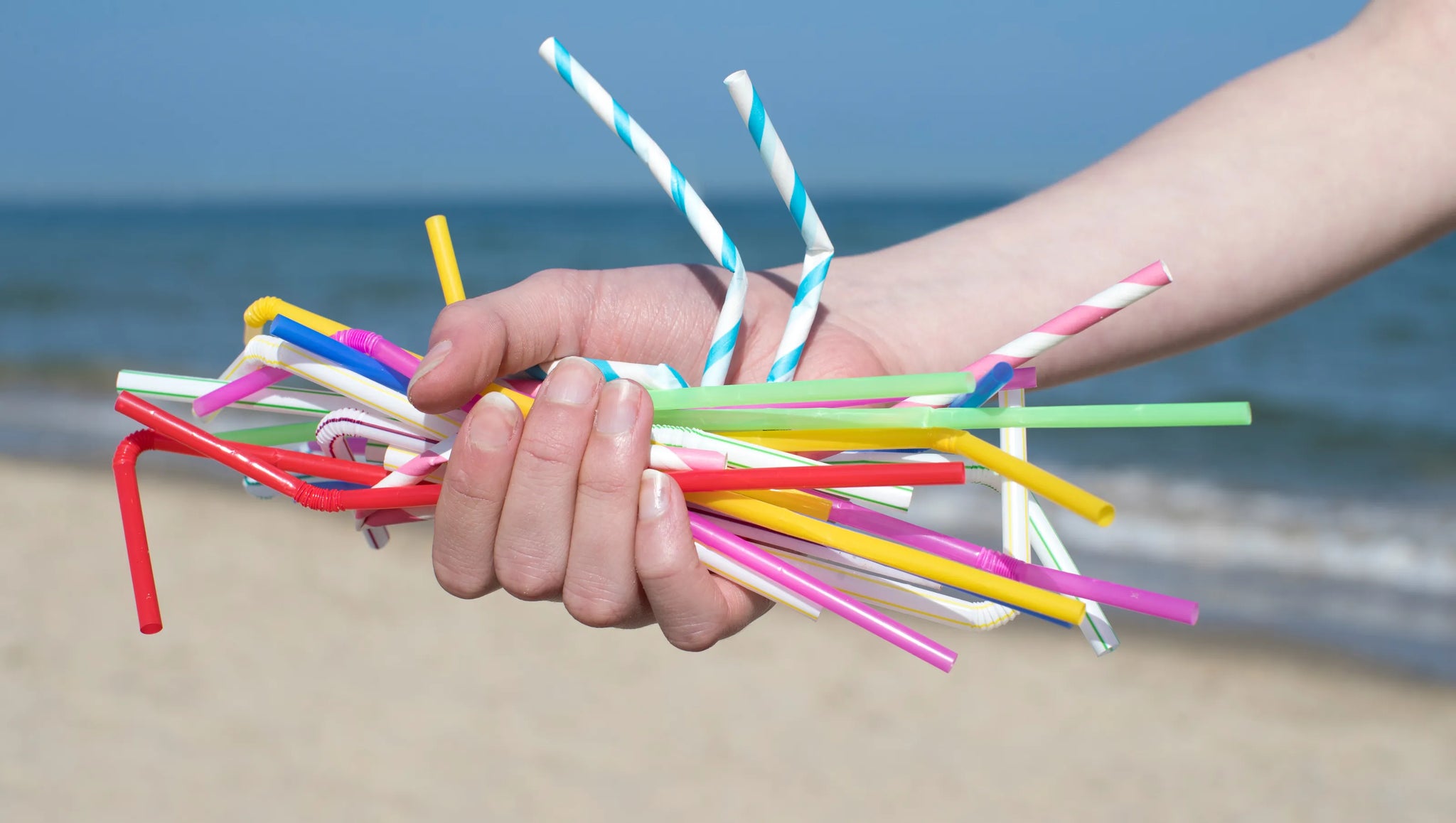
Plastic straws are currently the most popular option on the market, but they’re also seriously damaging to the environment. Plastic is made from fossil fuels, which have their own environmental issues. Although plastic is recyclable, less than 10% is actually recycled worldwide. Left alone, plastic can take hundreds of years to break down and often finds its way into our oceans where it can be ingested by animals.
Plus, plastic is full of chemicals, which are damaging to humans, animals, and the planet. Meanwhile, reed straws are made from 100% natural and organic reed, which is a renewable resource that biodegrades and returns back to the earth when you’re done with it.
2. Lower Carbon Emissions
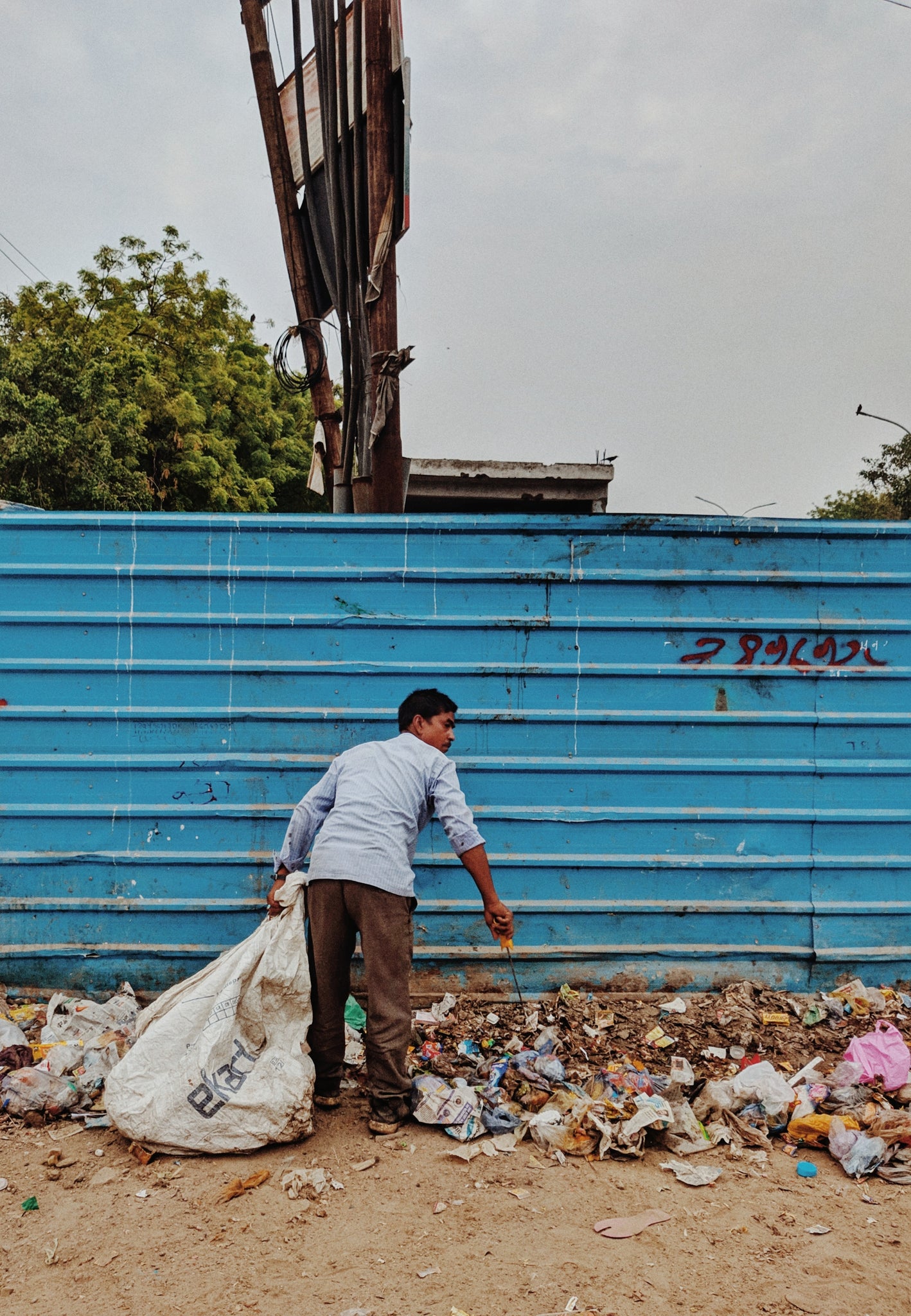
The reed plant is the result of wet farming, as it likes to grow in waterlogged soil and peat. These peat beds trap carbon emissions and store them, which reduces our greenhouse gas emissions. As such, reed has a lower carbon footprint than bamboo, making it a more eco-friendly choice than bamboo straws.
3. Much Stronger Than Paper and Wheat Straws
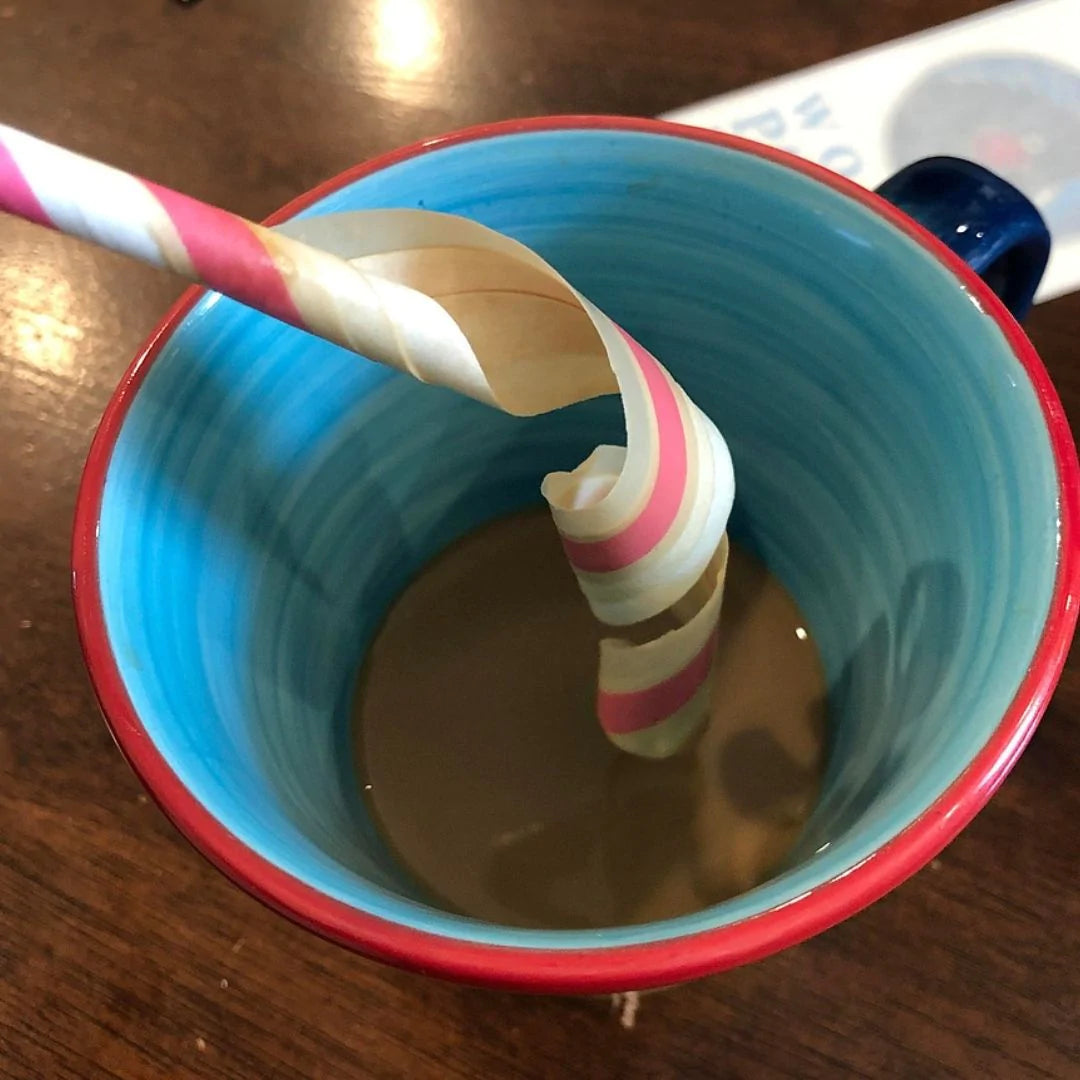
Paper straws were one of the first alternatives to plastic straws. Although they are certainly a more sustainable option, they get soggy and fall apart while you use them.
Wheat straws are a good alternative to paper straws, but they tend to break very easily due to being very brittle and thinner than our Reed straws.
Reed straws, on the other hand, remain firm and hold their shape because reed is thicker and more durable than paper and wheat. They’re so durable that you can actually reuse them again for months by running them under warm water or putting them in the dishwasher.
4. Much More Affordable Than Bamboo Straws
Bamboo straws are also a good alternative to paper and plastic straws, but they work out way too expensive per straw. On average Bamboo straws work out to be around 83p per straw. Canape King Reed straws work out to be only 0.96p per straw! WHAT A DIFFERENCE! With durability and strength almost exactly the same, it is a no brainer to use Reed Grass straws over Bamboo straws.
5. Appropriate for Any Drink
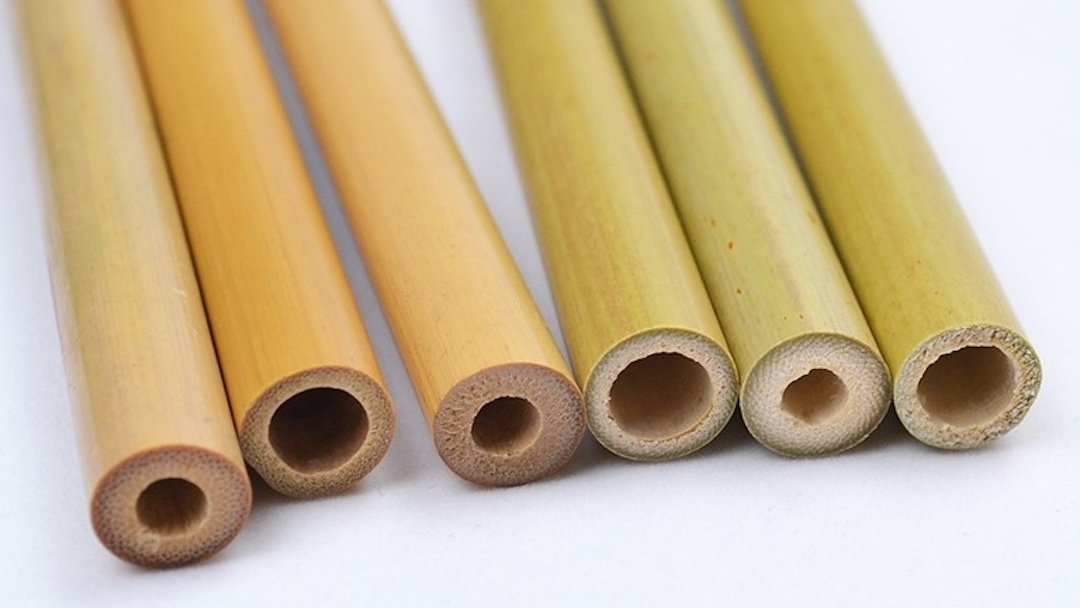
The natural stem of the reed plant varies from 7 to 9 millimeters in diameter, so these straws are wide enough to enjoy any drink. Whether you’re sipping on a fun cocktail or a milkshake, they offer a great drinking experience - unlike wheat stem straws, which are fairly small in diameter.
Plus, reed straws offer a unique, natural, or specialized aesthetic. By adding them to specialty drinks, like cocktails, lemonades, and teas, you also add a high-end natural vibe that can suit a more sustainable, premium aesthetic. Combine them with our palm leaf plates to create a beautiful aesthetic for your dinner parties, BBQs, and events!

6. Healthier for All of Us
Unlike plastic, reed straws are non-toxic. You don’t have to worry about any chemicals seeping into your drink and affecting your health because reed is completely plant-based, vegan, and natural.
Reed straws are an obvious choice over plastic - they’re more eco-friendly, healthier, and especially innovative. Plus, they’re just as convenient! They also beat out the other biodegradable, recyclable, and reusable options since they offer a better drinking experience. Ready to make the switch? Check out our natural, plant-based reed drinking straws here.
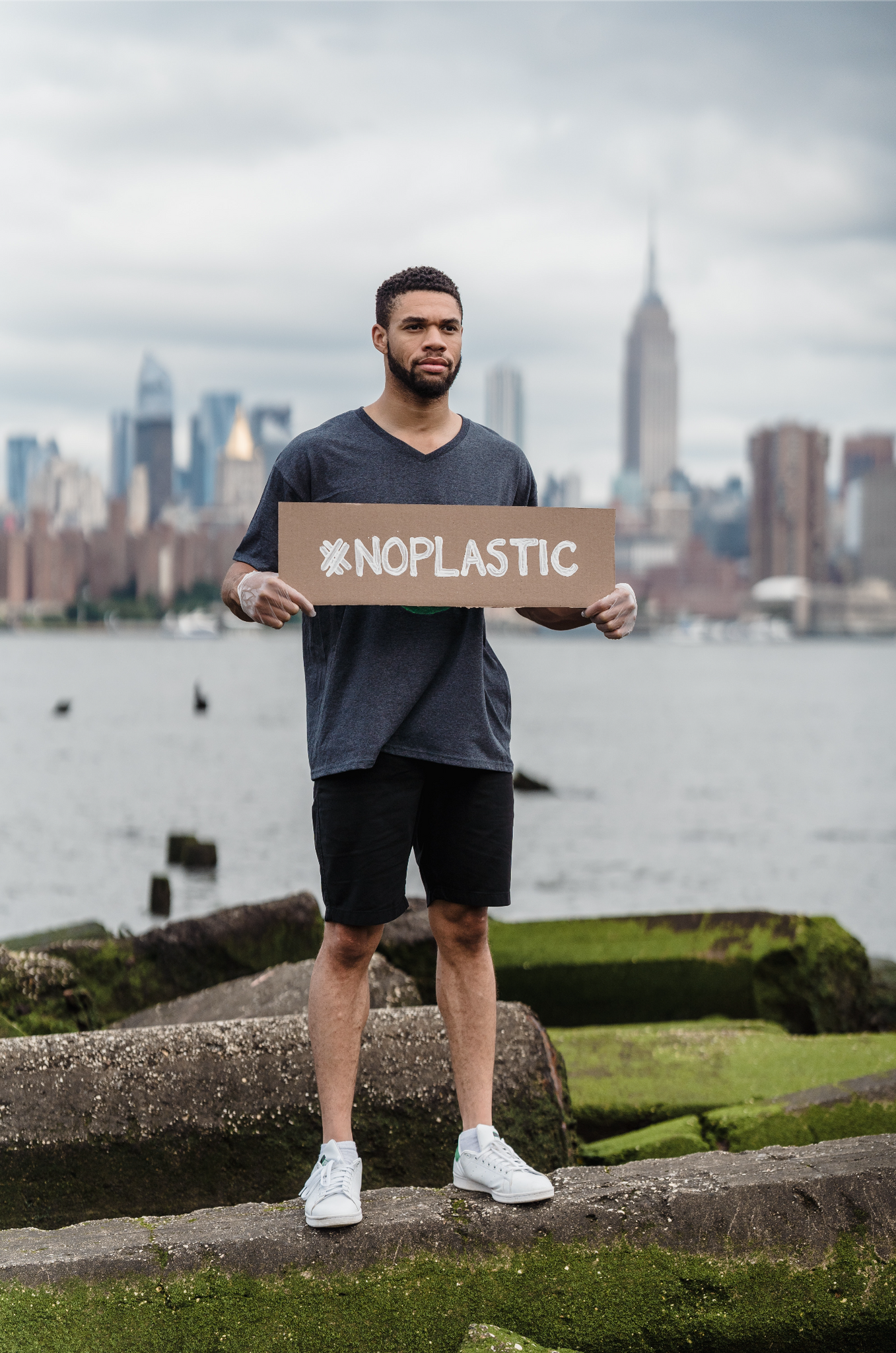
There are so many ways to reduce your carbon footprint this summer, using Canape King items is the first step to making your events and parties more eco-friendly and reducing your carbon footprint!


Comments (0)
There are no comments for this article. Be the first one to leave a message!